
How to Do PSL Scale — The Complete Guide to Understanding and Improving Your Facial Attractiveness Score
Learn what the PSL Scale is, how it works, how to calculate your PSL score accurately, and the science-backed strategies to improve your facial attractiveness score naturally.
The PSL Scale is a 0-to-8 facial attractiveness rating system that uses AI analysis and geometric criteria — symmetry, proportions, sexual dimorphism, skin quality, and facial harmony — to quantify where your face falls on a normal distribution. A PSL score of 4 represents the population average; scores of 6+ place you in the top 5% of facial attractiveness.
According to GQ, the PSL Scale has become one of the most referenced attractiveness frameworks on the internet in 2025–2026, with millions of TikTok views and mainstream media coverage. This complete guide explains what the PSL Scale is, how scoring works, how to accurately rate yourself, and the science-backed methods to improve your score.
What Is the PSL Scale?
The PSL Scale is a facial attractiveness rating system that numerically scores your face on a scale from 0 to 8. Unlike casual "1-10" scales, the PSL Scale uses a normal distribution model where:
- 4 PSL = average (most people fall here)
- 5-6 PSL = above average to attractive
- 7+ PSL = elite, model-level features
The acronym "PSL" originally comes from three early internet forums — PUAhate, SlutHate, and Lookism — where the system was developed. In modern usage, PSL is often defined as Proportion, Size, and Lineation: the three core geometric principles behind facial attractiveness evaluation.
According to Know Your Meme, the scale became increasingly popular in the 2020s as "looksmaxxing" content grew mainstream. GQ reported in December 2025 that "looksmaxxing introduced these new things that supposedly define how good you look that no one would ever really think about before," noting that the PSL Scale terminology has become "very, very mainstream" among teenagers.
Researchers Anda Iulia Solea and Lisa Sugiura, publishing in SAGE Journals, describe the PSL Scale as "a systematic pseudoscientific framework that codifies the incel hierarchical worldview by ranking individuals through a racialised and gendered hierarchy." This criticism is important context: while the geometric metrics have research backing, the cultural framework is contested.
The PSL Scale Breakdown
Here's what each tier on the PSL Scale means:
| PSL Score | Category | Description |
|---|---|---|
| 0-1.5 | Subhuman | Extremely low attractiveness; rare (~1%) |
| 1.5-2.7 | Low-Tier Normie | Below average; noticeable weak features |
| 2.8-4.5 | Mid-Tier Normie | Average range; no major flaws, no standout features |
| 4.6-5.9 | High-Tier Normie | Clearly attractive; good symmetry and structure |
| 6.0-6.8 | Chadlite / Stacylite | Model-tier; top ~5% |
| 6.9-7.4 | Chad / Stacy | Elite facial structure; top ~1% |
| 7.5+ | Adam / Eve | Near-perfect; extremely rare |
Key insight: According to GQ's reporting on looksmaxxing community data, approximately 92.7% of people fall between PSL 1.5 and 5.5 (the "Normie" and "Becky" tiers). A score of 6+ represents the top ~5% and is genuinely rare. If you think everyone is a 7, you're using the wrong scale.
The Science Behind PSL Scoring
PSL evaluation is based on well-established research in facial attractiveness. A meta-analysis by Rhodes (2006) published in the journal Psychological Bulletin (Vol. 132, No. 4) confirmed that facial symmetry, averageness, and sexual dimorphism are universal predictors of attractiveness across cultures. The core metrics include:
1. Facial Symmetry
How balanced the left and right sides of your face are. More symmetrical faces consistently score higher in attractiveness studies across cultures.
2. Facial Averageness
Counter-intuitively, faces closer to the population average tend to be rated as more attractive. This relates to "developmental stability" — a face that develops symmetrically signals good genes.
3. Sexual Dimorphism
Sex-typical features are preferred: strong jawlines and prominent brow ridges for men; fuller lips and higher cheekbones for women. The specific ideal ranges and metric weightings differ significantly by gender — see our guide to PSL Rating for Women for the female-specific framework.
4. Facial Harmony and Proportions
How well your features fit together. The "Rule of Thirds" (face divided into equal thirds vertically) and the Golden Ratio (approximately 1:1.618) are key reference points.
5. Skin Quality
Clear, even-toned skin signals health and youth. Skin quality significantly affects how facial structure is perceived.
6. Memorable Features
Standout traits — striking eyes, a strong jaw, distinctive bone structure — that lift a face above average.
How to Calculate Your PSL Score
PSL score calculation involves measuring five key facial metrics and combining them into a composite score on the 0–8 scale. Here's how each metric contributes to the calculation:
PSL Score Calculation Formula
Your PSL score is a weighted composite of five facial metrics:
| Metric | Weight | What's Measured | Tool/Method |
|---|---|---|---|
| Facial Symmetry | 25% | Left-right balance (%) | AI landmark mapping or mirror test |
| Facial Proportions | 20% | Rule of Thirds, Golden Ratio alignment | Caliper measurement or AI |
| Sexual Dimorphism | 20% | Masculine/feminine feature expression | FWHR, jaw angle, brow ridge assessment |
| Skin Quality | 15% | Tone evenness, texture, clarity | Visual assessment or AI analysis |
| Facial Harmony | 20% | Overall feature cohesion | Composite scoring |
Step-by-Step PSL Calculation
Step 1: Measure your facial symmetry. Using AI analysis (most accurate) or a front-facing photo, measure how closely your left and right facial halves match. 82–88% symmetry = PSL 4 range. 92%+ = PSL 6+ range.
Step 2: Check your facial proportions. Divide your face into three equal horizontal thirds (hairline to brow, brow to nose tip, nose tip to chin). Measure deviation from equal thirds — under 3% deviation is strong, over 10% is a detractor.
Step 3: Assess sexual dimorphism. For men: measure FWHR (facial width-to-height ratio) — ideal is 1.85–2.0. Measure gonial angle — ideal is 115–128°. For women: the ideal ranges shift slightly — see PSL Rating for Women for gender-specific calculations.
Step 4: Evaluate skin quality. Clear, even-toned skin with minimal texture scores highest. This is the most improvable metric through softmaxxing.
Step 5: Rate overall harmony. Do your features work together cohesively? A face with average individual metrics but excellent overall harmony can score higher than a face with one exceptional feature.
Step 6: Map to the PSL scale. Combine all five scores using the weighted formula above, then position on the bell curve. Most AI tools handle this calculation automatically — PSL Scale computes all five metrics from a single photo using 128+ facial landmarks.
Quick Estimation Method
For a rough self-estimate without tools:
- Start at PSL 4 (population average)
- +0.5 if you regularly receive unsolicited compliments on your appearance
- +0.5 if your jawline is visibly defined at 15%+ body fat
- +0.5 if your eyes have positive canthal tilt (outer corners higher than inner)
- +0.5 if your face is noticeably symmetrical (compare left/right in a mirror)
- -0.5 if you have a visibly recessed chin or jaw
- -0.5 if you have noticeable facial asymmetry
- -0.5 if you have significant skin issues (acne, scarring, uneven tone)
This gives a rough estimate within ±0.5 PSL points of your true score. For exact measurement, use AI-powered analysis.
How to Rate Yourself on the PSL Scale
In our testing with PSL Scale, we've analyzed thousands of faces and found that the most common error people make is using selfie-mode photos, which introduce focal-length distortion that can artificially lower your symmetry score by up to 0.5 points. The methods below reflect what we've learned from real evaluation data.
Manual Method
You can estimate your PSL score by evaluating these five areas:
- Jawline — Sharp and defined scores higher; weak or recessed scores lower
- Eyes (Canthal Tilt) — Upward tilt is attractive; flat or downward is weaker
- Facial Symmetry — Balanced left/right = higher PSL
- Facial Harmony — Do your features "fit together" or clash?
- Skin & Details — Clear skin, good eyebrows, clean proportions
AI-Powered Method
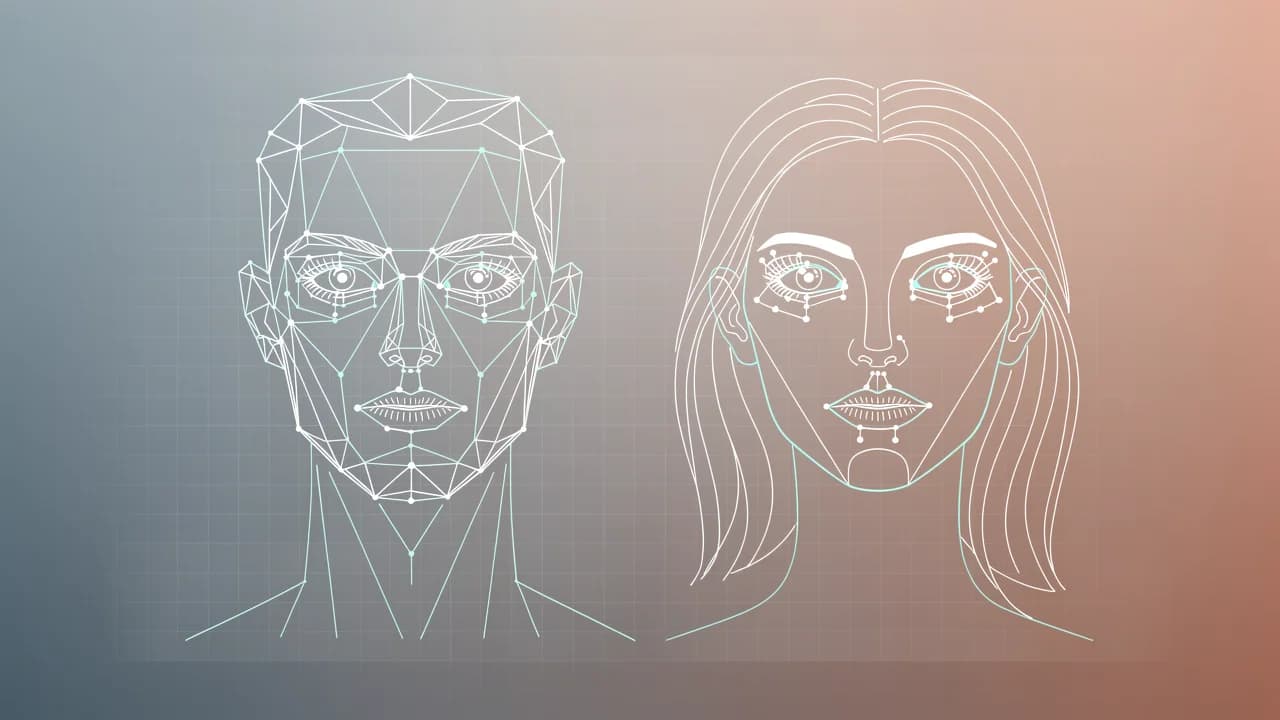
Tools like PSL Scale use AI to analyze 128+ facial landmarks, evaluating symmetry, harmony, proportions, skin quality, sexual dimorphism, and memorable features — all in seconds.
Tips for accurate self-rating:
- Use the back camera of your phone (not selfie mode) to avoid focal-length distortion
- Take photos in natural, even lighting
- Use a neutral expression — no smiling or frowning
- Take both front-facing and profile shots
How to Improve Your PSL Score
This is where it gets actionable. Based on research from the LooksMaxxers editorial team and community consensus, here are the most effective strategies ranked by impact. The core principle: softmaxxing compounds — no single intervention transforms your face overnight, but combining body fat reduction + skincare + grooming + sleep optimization + supplementation can push you up a full PSL tier over 3–6 months.
Tier 1: Highest Impact (Softmaxxing)
1. Body Fat Optimization (+0.3 to +0.8 PSL points)
This is the single highest-impact change most people can make. Subcutaneous facial fat obscures bone structure. When you reduce body fat from 20%+ down to 12-15% (for men), features that were hidden become visible:
- Sharper jawline
- More defined cheekbones
- Better gonial angle presentation
- Improved midface-to-jaw ratio
Protocol: Caloric deficit through resistance training + diet management. Intermittent fasting is one of the most sustainable approaches. Timeline: 8-16 weeks.
2. Skincare Protocol (+0.1 to +0.4 PSL points)
Skin quality significantly affects perceived facial structure. Clear, even-toned skin amplifies good bone structure; rough, damaged skin mutes it.
Essentials:
- Retinol — Gold standard for skin renewal; increases cell turnover and evens tone
- SPF daily — UV damage is the #1 cause of premature skin aging
- Hydration — Dehydrated skin looks dull and emphasizes texture
- Collagen supplementation — Improves skin elasticity from within
Timeline: 4-12 weeks for visible changes.
3. Sleep Optimization (+0.1 to +0.3 PSL points)
Sleep is the most underrated PSL lever. A single night of poor sleep visibly increases under-eye puffiness, darkens periorbital skin, and increases facial water retention.
Protocol:
- 7-9 hours minimum (growth hormone drives skin repair during deep sleep)
- Back sleeping — Side/stomach sleeping compresses the face and creates asymmetric creasing
- Magnesium glycinate before bed for deeper sleep
- Reduce sodium and alcohol before bed to minimize morning puffiness
Timeline: 1-2 weeks for visible changes — one of the fastest-acting interventions.
Tier 2: Moderate Impact
4. Jawline & Lower Third (+0.2 to +0.5 PSL points)
After body fat reduction, jawline-targeted strategies have the next highest impact.
Methods:
- Mewing — Proper tongue posture (full tongue pressed to palate, lips sealed, nasal breathing). While clinical evidence for skeletal change in adults is limited, it encourages better jaw posture and reduced facial bloat.
- Masseter engagement — Chewing harder foods or purpose-made tools can hypertrophy masseter muscles, creating wider, more defined gonial area.
- Neck and posture work — Forward head posture compresses the jawline. Correcting posture and developing neck muscles improves visual framing of the lower third.
Timeline: 4-24 weeks depending on method.
5. Eye Area Optimization (+0.1 to +0.3 PSL points)
The eye area is heavily weighted in PSL scoring.
Methods:
- Reduce periorbital puffiness (address sleep, sodium, alcohol, allergies)
- Eyebrow grooming (clean up stray hairs while maintaining natural fullness)
- Hydrate the under-eye area (thinnest skin on the face)
Timeline: 2-8 weeks for soft tissue changes.
6. Supplementation (+0.1 to +0.3 cumulative)
Think of supplements as the support layer that makes every other strategy work better:
- Collagen peptides (Type I & III) — Directly supports skin elasticity
- Omega-3 fish oil — Reduces systemic inflammation (skin redness, puffiness)
- Vitamin D3 + K2 — Deficiency linked to dull skin and poor cell turnover
- Ashwagandha — Reduces cortisol (facial bloat, under-eye bags)
- Creatine — Supports training intensity for body fat reduction
Tier 3: Advanced (Hardmaxxing)
For those who have maxed out softmaxxing and still want to push higher:
| Procedure | Target | Expected Impact |
|---|---|---|
| Rhinoplasty | Nose width, tip projection, nasal angles | High (nose is central to facial balance) |
| Genioplasty | Chin projection, lower third balance | High (weak chin is a common PSL detractor) |
| Jaw angle implants | Gonial angle width and definition | Moderate-High |
| Blepharoplasty | Eyelid exposure, under-eye bags | Moderate |
| Buccal fat removal | Cheekbone prominence, midface definition | Moderate |
Important: Max out softmaxxing first. Many people are surprised by how much improvement is possible without surgery. Hardmaxxing is a personal decision and not something to rush into.
PSL vs SMV — Know the Difference
This is where most beginners get confused:
- PSL = Your face only (geometric, structural assessment)
- SMV (Sexual Market Value) = Your total value (face + height + status + wealth + social proof)
A 5 PSL person with money + status can have a high SMV. A 7 PSL person with nothing can have a lower SMV.
PSL gets you attention. SMV determines your outcomes.
How to Track Your Progress
- Baseline scan — Get a full PSL analysis. Note your overall score and individual metric scores, especially your three weakest areas
- Monthly re-scans — Re-analyze every 4 weeks under the same conditions (same lighting, distance, time of day)
- Isolate variables — Note what changed and when. If your jaw definition improves after 6 weeks of fat loss, that's a clear signal
- Trust the metrics, not the mirror — Daily mirror checks are unreliable. The numbers don't lie
The Reality Check
The PSL Scale is a useful tool for understanding facial aesthetics and tracking improvement. But keep perspective:
- Beauty is partly subjective — PSL captures the geometric component, not the whole picture
- Expression, voice, personality, and confidence matter enormously in real life
- Most people overrate or underrate themselves — use objective tools
- The healthiest approach is to use PSL as a roadmap for self-improvement, not a source of anxiety
As one experienced looksmaxxing community moderator put it: "The only reason we find some faces attractive is because they have that 1-2 flaws that makes them unique."
Frequently Asked Questions
What is a good PSL score?
A PSL score of 6 or above is considered attractive. Scores of 7+ represent the top 1% of facial attractiveness and are considered elite or model-tier. The average person scores around 4 PSL.
Is the PSL Scale accurate?
The PSL Scale is based on measurable facial metrics (symmetry, proportions, dimorphism) that are supported by published research. However, attractiveness is partly subjective — the PSL Scale captures the geometric component but does not account for expression, personality, voice, or confidence, which all matter significantly in real life.
What PSL score is top 1%?
A PSL score of approximately 7 or higher represents the top 1% of facial attractiveness. These individuals have near-perfect facial symmetry, strong bone structure, and exceptional harmony between features.
How is the PSL Scale different from a 1-10 rating?
The PSL Scale uses a normal distribution (bell curve) rather than a linear 1-10 scale. Most people cluster around 4 PSL (average), making scores above 5-6 genuinely above average. It also focuses exclusively on facial geometry rather than overall appearance or lifestyle factors.
Can you improve your PSL score?
Yes. While bone structure sets a baseline, most people can improve their PSL score by 0.5 to 2.0 points through natural methods: reducing body fat to 12-15% (for men), following a retinol-based skincare routine, optimizing sleep, improving posture, and strategic grooming. The single highest-impact change is body fat reduction.
What does PSL stand for?
PSL originally stands for the three forums where the scale was developed: PUAhate, SlutHate, and Lookism. In modern usage, it is often redefined as Proportion, Size, and Lineation — the three geometric principles behind facial attractiveness evaluation.
What is the difference between PSL and SMV?
PSL measures only your facial geometry (symmetry, proportions, bone structure). SMV (Sexual Market Value) includes your total value: face + height + wealth + status + social proof. A person with a moderate PSL score can have a high SMV through other factors.
Get Your PSL Score
Ready to find out where you stand? PSL Scale uses AI to analyze your facial features across symmetry, harmony, proportions, skin quality, and sexual dimorphism — giving you a detailed breakdown and personalized improvement plan.
Upload a clear, front-facing photo and get your results in seconds.
Sources
Author

Categories
More Posts
PSL Rating for Women: How the Scale Works Differently
The PSL Scale uses different metric weightings for women — eye area, lip fullness, neoteny, and softer jawlines matter more. See ideal ranges and how to improve your score.

What Is PSL? The Facial Attractiveness Rating Scale Explained
PSL is a 0-to-8 facial attractiveness rating system based on symmetry, proportions, sexual dimorphism, and facial harmony. Learn what PSL means, how the scale works in looksmaxxing, and where you fall on it.

PSL Rating AI: How Artificial Intelligence Analyzes Facial Attractiveness
How AI-powered PSL rating tools analyze your face. Learn the technology behind AI facial attractiveness scoring — what it measures, how accurate it is, and what the research says about machine vs. human ratings.