
PSL Rating AI: How Artificial Intelligence Analyzes Facial Attractiveness
How AI-powered PSL rating tools analyze your face. Learn the technology behind AI facial attractiveness scoring — what it measures, how accurate it is, and what the research says about machine vs. human ratings.
AI-powered PSL rating tools can analyze your face in seconds — scoring it across multiple dimensions that correlate with human attractiveness perceptions. But how does this technology actually work, and how reliable are the results?
This article breaks down the technology behind AI facial attractiveness scoring, what the published research says, and what AI can and cannot tell you about your face.
The Science Behind AI Facial Attractiveness Scoring
Facial Attractiveness Has Measurable Components
Research consistently shows that human attractiveness judgments are not purely subjective. A landmark meta-analysis by Rhodes (2006) in Psychological Bulletin identified three universal predictors of facial attractiveness across cultures:
- Symmetry — more symmetrical faces are rated as more attractive
- Averageness — faces closer to the population composite are preferred
- Sexual dimorphism — more gender-typical features score higher
These are not opinions — they are measurable geometric properties. This is the foundation that makes AI-based PSL rating possible: if attractiveness correlates with measurable features, a machine can measure those features.
Deep Learning and Facial Attractiveness
A 2024 study published in Orthodontics & Craniofacial Research (Obwegeser et al., doi: 10.1111/ocr.12820) applied deep convolutional neural networks (CNNs) to facial attractiveness scoring with specific, published results:
- Architecture: DenseNet-201, pre-trained on ImageNet, further trained on the BLINQ dataset (13,000+ facial images with 17 million human attractiveness ratings)
- Key finding: CNN models produced consistent attractiveness scores with significantly lower variance when trained on standardized images
- Expression bias: Facial expressions significantly alter attractiveness scores. Happiness increased scores by +6.0 points (uncontrolled model), while disgust decreased scores by -10.9 points
- Standardized training reduced variance: When the model was fine-tuned on the Chicago Face Database (standardized neutral-expression photos), score variance dropped from 356.6 to 82.3 for neutral expressions (Levene's test, P < .001)
This study has direct implications for anyone using AI PSL rating tools: neutral expression and standardized photo conditions produce more reliable results.
How PSL Rating AI Works: Step by Step
Step 1: Image Input and Preprocessing
You upload a facial photo. The system validates:
- Image contains a detectable face
- Resolution is sufficient for analysis
- Face is properly positioned (front-facing, not extreme angle)
Step 2: Multi-Dimensional Facial Analysis
PSL Scale evaluates 8 facial dimensions, each scored on the PSL 0-8 scale:
| Dimension | What the AI Evaluates | Research Basis |
|---|---|---|
| Symmetry | Left-right facial balance across key features | Rhodes (2006) — symmetry is a universal attractiveness predictor |
| Harmony | How well features fit together as a whole | Laurentini & Bottino (2014) — holistic balance drives perception |
| Facial Adiposity | Facial leanness and bone structure definition | Lower facial fat reveals stronger jawline and cheekbones |
| Skin Quality | Tone evenness, texture clarity, health indicators | Skin quality directly affects how facial structure is perceived |
| Facial Structure | Jawline definition, cheekbone prominence, brow ridge | Primary driver of sexual dimorphism scores |
| Averageness | Proximity to population-average facial proportions | Rhodes (2006) — averageness signals developmental stability |
| Sexual Dimorphism | Gender-typical feature prominence | Rhodes (2006) — strongest dimorphic features score highest |
| Memorable Features | Distinctive positive traits that elevate above average | Faces with distinctive positive features are rated higher than purely average faces |
Step 3: Scoring and Weighted Aggregation
Each dimension receives a score from 0.0 to 8.0. The overall PSL score is a weighted average of all dimensions. The weights reflect the relative importance of each dimension in overall attractiveness perception, based on published research:
- Facial Structure and Symmetry carry the highest weights — they are the strongest predictors
- Sexual Dimorphism and Harmony are high-weight factors
- Skin Quality, Facial Adiposity, and Averageness are moderate-weight
- Memorable Features provides an adjustment factor
Step 4: Personalized Feedback
For each dimension, the AI provides:
- Score (0.0–8.0)
- Strength — what's working well
- Weakness — what's limiting the score
- Suggestion — specific, actionable improvement tip
This feedback is grounded in evidence-based improvement strategies. For the full improvement guide, see How to Do PSL Scale — The Complete Guide.
How Accurate Is AI PSL Rating?
What the Research Shows
| Aspect | Finding | Source |
|---|---|---|
| Consistency | AI scores are highly consistent for the same input | Obwegeser et al. (2024) |
| Human correlation | AI ratings on structural features align with human consensus | PMC pilot study (2025) |
| Expression bias | Facial expressions change scores by up to ±10.9 points | Obwegeser et al. (2024) |
| Training data bias | Models trained on different datasets produce different score distributions | Obwegeser et al. (2024) |
What AI PSL Rating Measures Well
- Facial symmetry — objective left-right comparison
- Bone structure — jawline, cheekbone, brow ridge assessment
- Proportions — Rule of Thirds, Golden Ratio proximity
- Overall balance — how features work together
What AI PSL Rating Does NOT Measure
- Expression and animation — a smiling face in real life is more attractive than a neutral one
- Personality and charisma — confidence, humor, warmth
- Voice and posture — major real-world attractiveness factors
- Social dynamics — status, social proof, situational context
- Individual preferences — everyone has unique tastes that no AI can capture
As noted in What Is PSL? The Facial Attractiveness Rating Scale Explained, PSL measures only the structural component of facial appearance. A moderate PSL score can still correspond to high real-world attractiveness.
PSL Rating AI vs. Other Methods
| Method | Accuracy | Speed | Detail | Cost |
|---|---|---|---|---|
| AI PSL Rating (PSL Scale) | Consistent, research-validated dimensions | Seconds | 8 scored dimensions with feedback | Free tier available |
| Human forum ratings | Subjective, high variance | Hours to days | Qualitative, inconsistent | Free |
| CNN beauty scoring (e.g., hot-or-not apps) | Single aggregate score, limited insight | Seconds | One number | Free |
| Professional aesthetic consultation | Expert assessment | Days, expensive | Comprehensive | $200-500+ |
AI PSL rating occupies a specific niche: instant, consistent, dimension-level analysis at no cost. It does not replace professional assessment or real-world feedback, but it provides a structured starting point for understanding your facial aesthetics.
Tips for Getting the Best AI PSL Rating Result
Based on published research showing that image conditions significantly affect AI scoring:
- Neutral expression — Obwegeser et al. (2024) showed that all facial expressions alter attractiveness scores compared to neutral
- Natural, even lighting — shadows create false asymmetry
- Back camera, not selfie — wide-angle selfie lenses distort facial proportions
- Hair pulled back — features must be fully visible for accurate scoring
- Straight-on angle — tilted photos distort symmetry and proportion measurements
For the complete photo guide, see Free PSL Face Rating Test Online.
Get Your AI-Powered PSL Rating
PSL Scale analyzes your face across 8 research-backed dimensions — symmetry, harmony, facial adiposity, skin quality, facial structure, averageness, sexual dimorphism, and memorable features. Each dimension comes with individual scoring, strengths, weaknesses, and actionable improvement suggestions.
Upload a clear, front-facing photo with neutral expression. Get your detailed breakdown in seconds.
Sources
- Obwegeser D, Timofte R, Mayer C, Bornstein MM, Schätzle MA, Patcas R. Scoring facial attractiveness with deep convolutional neural networks: How training on standardized images reduces the bias of facial expressions. Orthodontics & Craniofacial Research. 2024;27(Suppl 2):25-32. doi: 10.1111/ocr.12820
- Rhodes G. The evolutionary psychology of facial beauty. Psychological Bulletin. 2006;132(4):592-613.
- Laurentini A, Bottino A. Computer analysis of face beauty: a survey. Computer Vision and Image Understanding. 2014;125:184-199.
- Rothe R, Timofte R, Van Gool L. Some like it hot — visual guidance for preference prediction. CVPR. 2016:5553-5561.
- Ma DS, Correll J, Wittenbrink B. The Chicago Face Database: a free stimulus set of faces and norming data. Behavior Research Methods. 2015;47(4):1122-1135.
- How AI models judge facial attractiveness: visualizing features with GradCAM. Visual Computing for Industry, Biomedicine, and Art. 2025.
- Google MediaPipe Face Landmarker — outputs 478 3D face landmarks
Author

Categories
More Posts
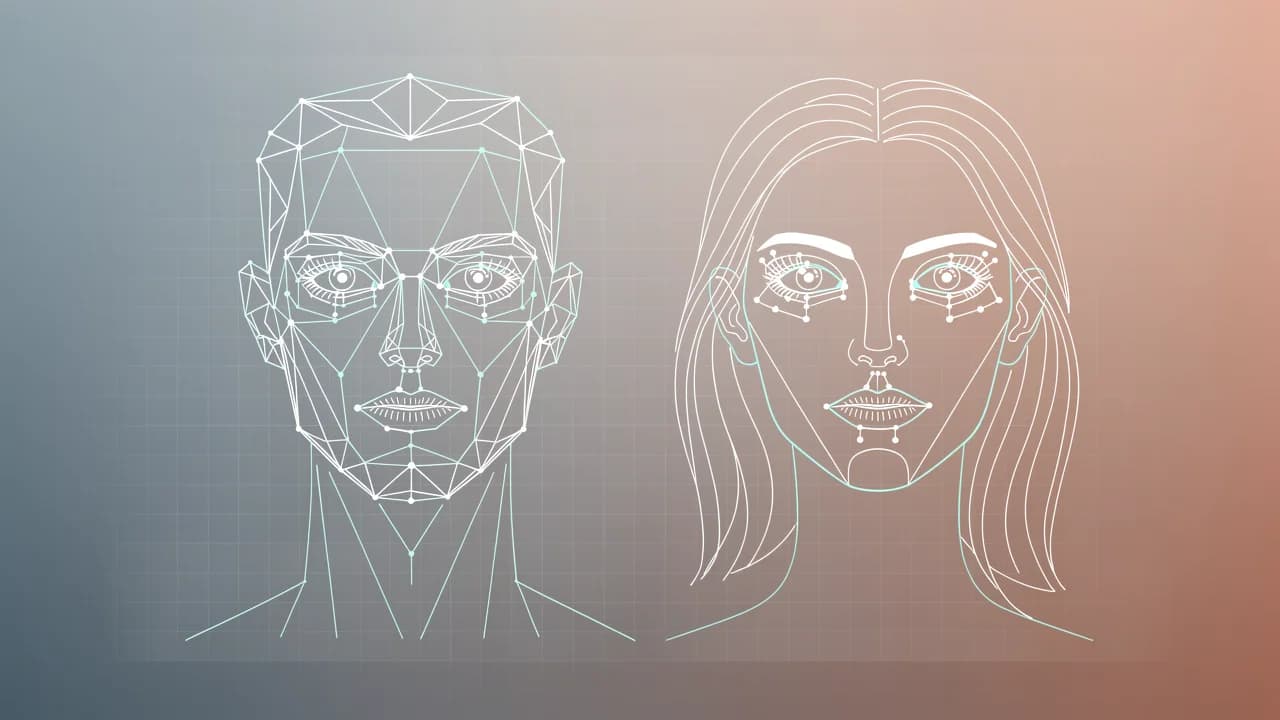
PSL Rating for Women: How the Scale Works Differently
The PSL Scale uses different metric weightings for women — eye area, lip fullness, neoteny, and softer jawlines matter more. See ideal ranges and how to improve your score.
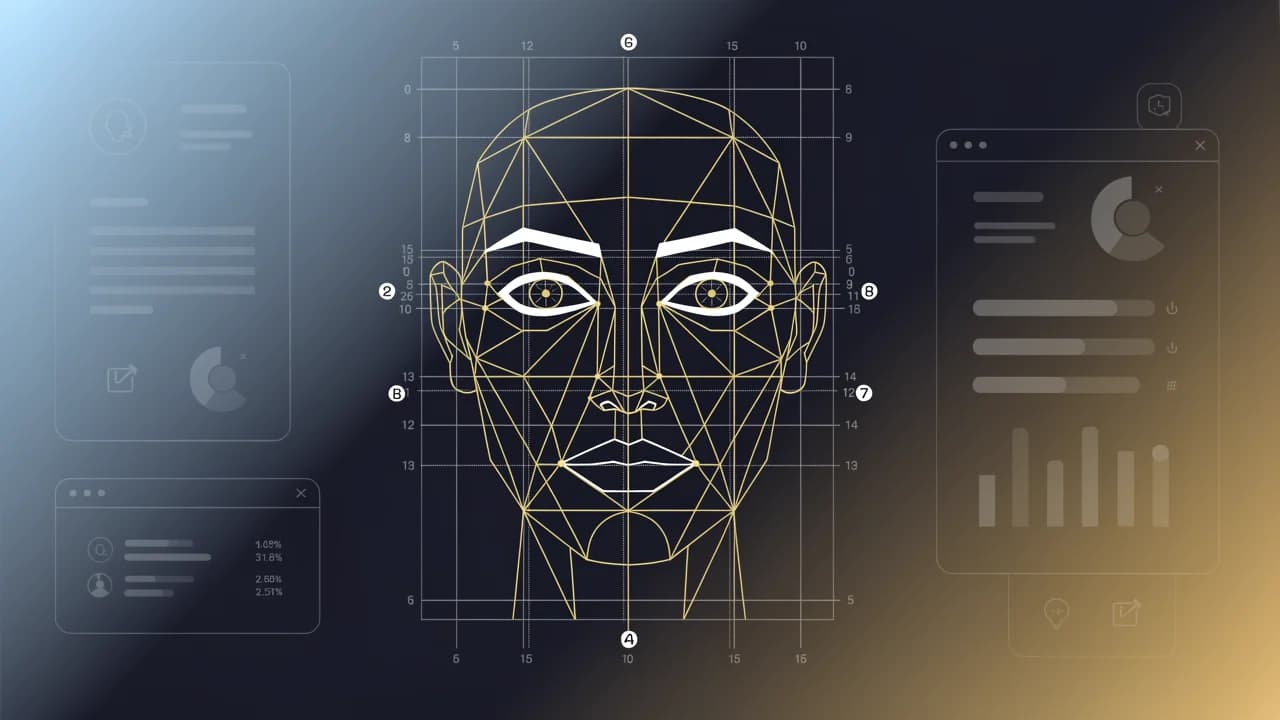
How to Do PSL Scale — The Complete Guide to Understanding and Improving Your Facial Attractiveness Score
Learn what the PSL Scale is, how it works, how to calculate your PSL score accurately, and the science-backed strategies to improve your facial attractiveness score naturally.
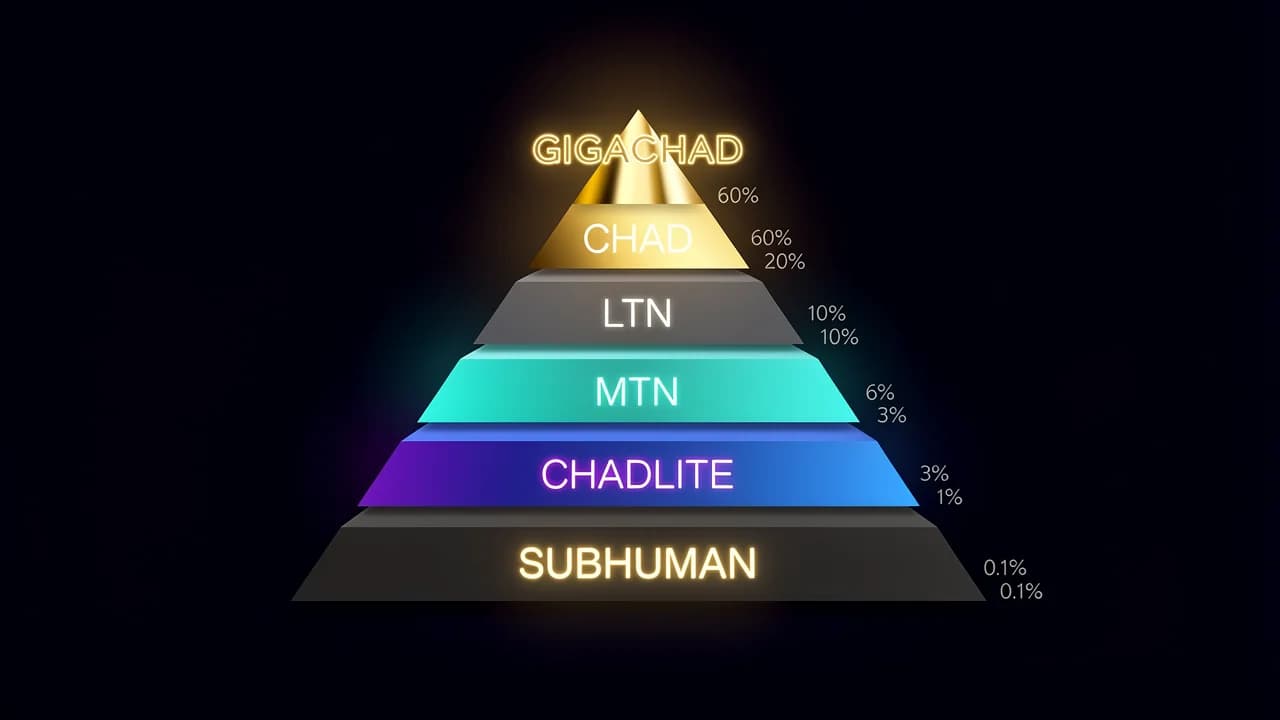
PSL Rating Tiers Explained: From Sub5 to Gigachad
Every PSL rating tier explained — Subhuman, LTN, MTN, HTN, Chadlite, Chad, and Gigachad — with exact score ranges, celebrity examples, and what each level means.